Light, sleep, hydration and meal timing for travellers
The four everyday tools that do most of the work against jet lag, and how to time each one so your body clock settles into a new time zone sooner.
3 min read
Light: your strongest tool
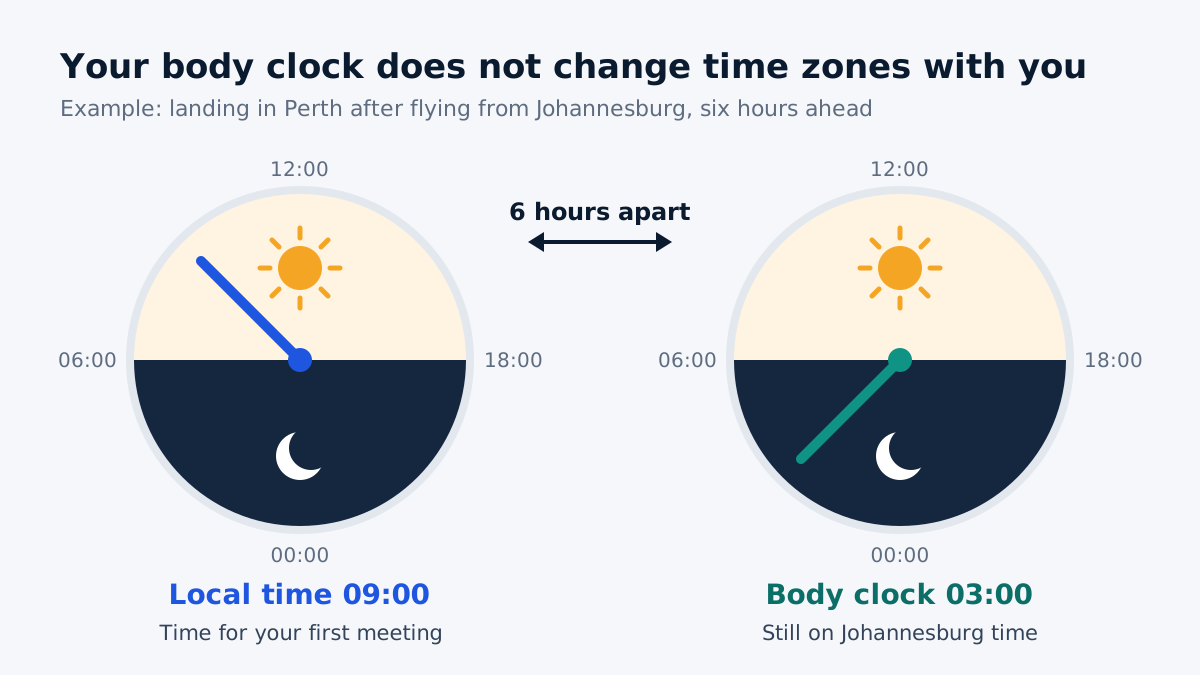
Light reaching your eyes is the main signal that sets your body clock. Daylight outdoors is many times brighter than ordinary indoor lighting, even on a cloudy day, so time outside counts far more than time near a window.
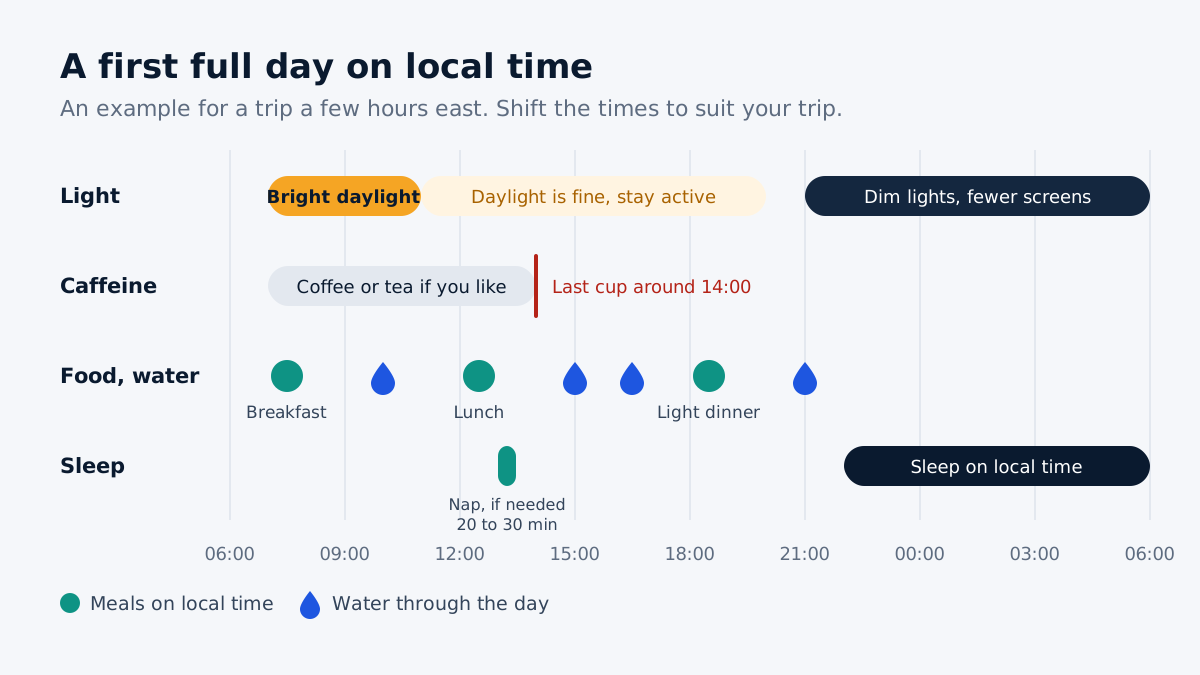
- Get outside for at least 30 minutes at the helpful time of day: the morning after flying east, the late afternoon after flying west. A walk, a coffee on a terrace or a stroll to a meeting all count.
- When light would push your clock the wrong way, sunglasses help.
- In the evening, dim the lights and turn screen brightness down. Bright light late at night tells your brain it is still daytime.
If you are unsure which direction applies to your trip, read Flying east vs flying west first.
Sleep: anchor it to local night
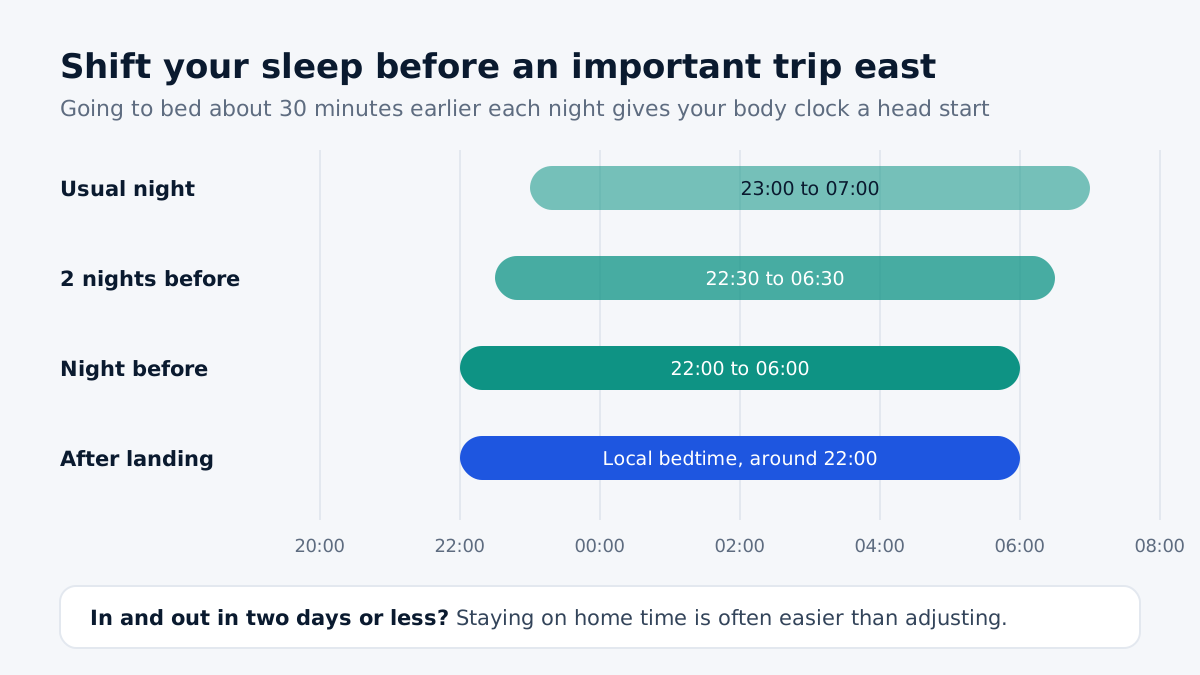
- Go to bed at a normal local bedtime from the first night, even if you are not sleepy yet.
- Make the room dark, quiet and cool. An eye mask and earplugs travel well.
- If you wake at 3 am, keep the lights low, avoid your phone and rest quietly rather than starting your day.
- Keep naps to 20 or 30 minutes and before mid afternoon. Long naps feel good but cost you the night.
Hydration: small and often
The air in an aircraft cabin is much drier than most homes and offices, and it is easy to drink less than usual on a travel day. Mild dehydration adds to tiredness and headaches, which can make jet lag feel worse.
- Carry a refillable bottle and sip water regularly on the plane and after landing.
- Go easy on alcohol. It dehydrates you and gives you lighter, more broken sleep.
Caffeine: helpful in the morning, not at night
A coffee or tea in the local morning can help you stay alert while your body catches up. Caffeine lasts for several hours in the body, though, so a late afternoon cup can keep you awake at bedtime. A simple rule is to have your last cup by early afternoon, local time. If you use Jet Lag Awake, remember that each capsule contains 200 mg of caffeine, roughly as much as two cups of brewed coffee, so count it towards your daily total.
Meals: eat on local time
Meal times help set the clocks in your gut and other organs. Switching to local meal times quickly helps the whole body move to the new time zone together.
- Have breakfast in the local morning, ideally outdoors or near bright daylight.
- Keep lunch and dinner at normal local times, even if you are not very hungry.
- Make dinner lighter, and avoid a large meal close to bedtime.
What about melatonin or sleeping tablets?
Some travellers use melatonin or sleeping tablets. Both are medicines that are not right for everyone, and the timing of melatonin matters, so speak to a doctor or pharmacist before using them. Avoid taking sleeping tablets on the plane, where staying still for long periods is not good for your circulation. For reference, Jet Lag Calm and Jet Lag Awake do not contain melatonin.
Where Jet Lag Calm and Jet Lag Awake fit
Some travellers build Jet Lag Calm into the rest side of their routine before a flight, and Jet Lag Awake into the morning after landing, alongside the light, sleep, water and meal habits above. Follow the directions on the label, and treat them as part of a routine rather than a replacement for it.
The honest summary
Light, sleep, water and food are free, and timed well they do most of the work. Put them on local time as quickly as you can and your body clock will follow.