What jet lag is, and why it happens
Jet lag is not a lack of willpower. It is your body clock running on the time zone you left, while everything around you runs on the one you landed in.
3 min read
Your body runs on a clock
Deep in the brain, a small cluster of cells called the suprachiasmatic nucleus keeps a rhythm of roughly 24 hours. This is your circadian rhythm, often called the body clock. It decides when you feel alert and when you feel sleepy, and it also times your body temperature, hormones such as melatonin and cortisol, hunger and digestion.
The clock is not fixed. Every day it is nudged back into line by signals from the outside world. The strongest signal by far is light reaching your eyes, especially daylight. Meal times, activity and social routines help too.
What changes when you cross time zones
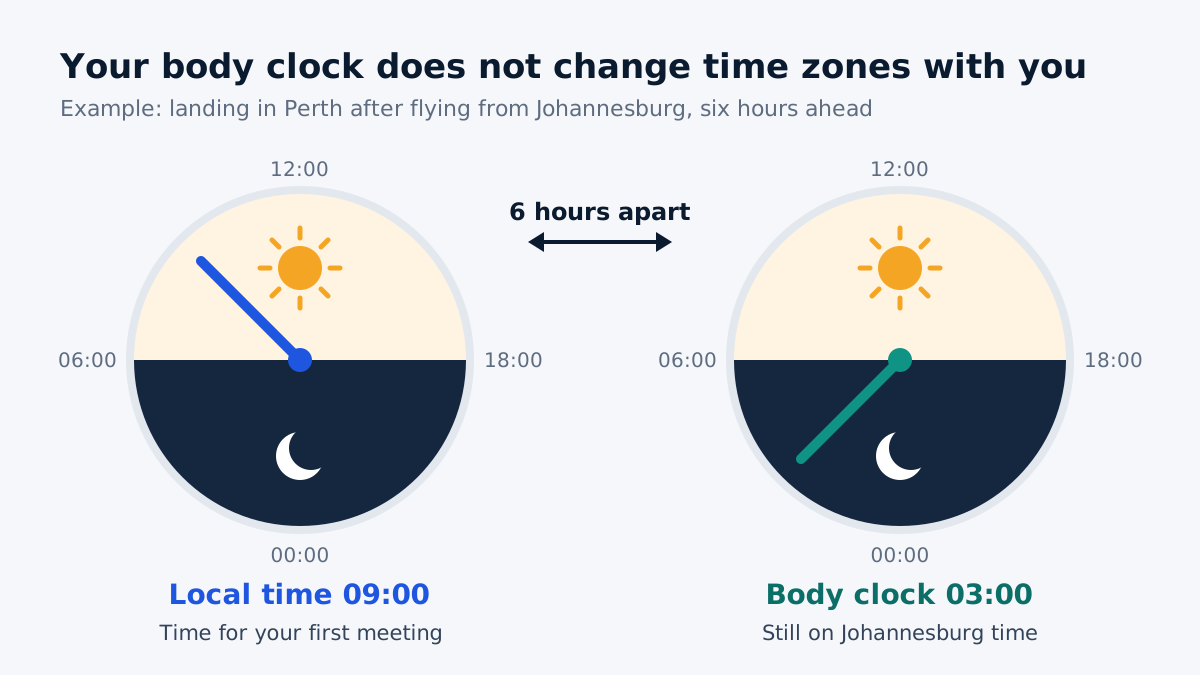
When you fly across several time zones, the time on the wall changes in a few hours. Your body clock does not. It can only shift gradually, by roughly an hour or so a day, so for a while it keeps running on the time zone you left.
Take a morning flight from Johannesburg that lands you in Perth, six hours ahead. When it is 09:00 and time for a meeting in Perth, your body still thinks it is 03:00, the middle of the night. That gap between the local clock and your body clock is jet lag.
It is about time zones, not flight length
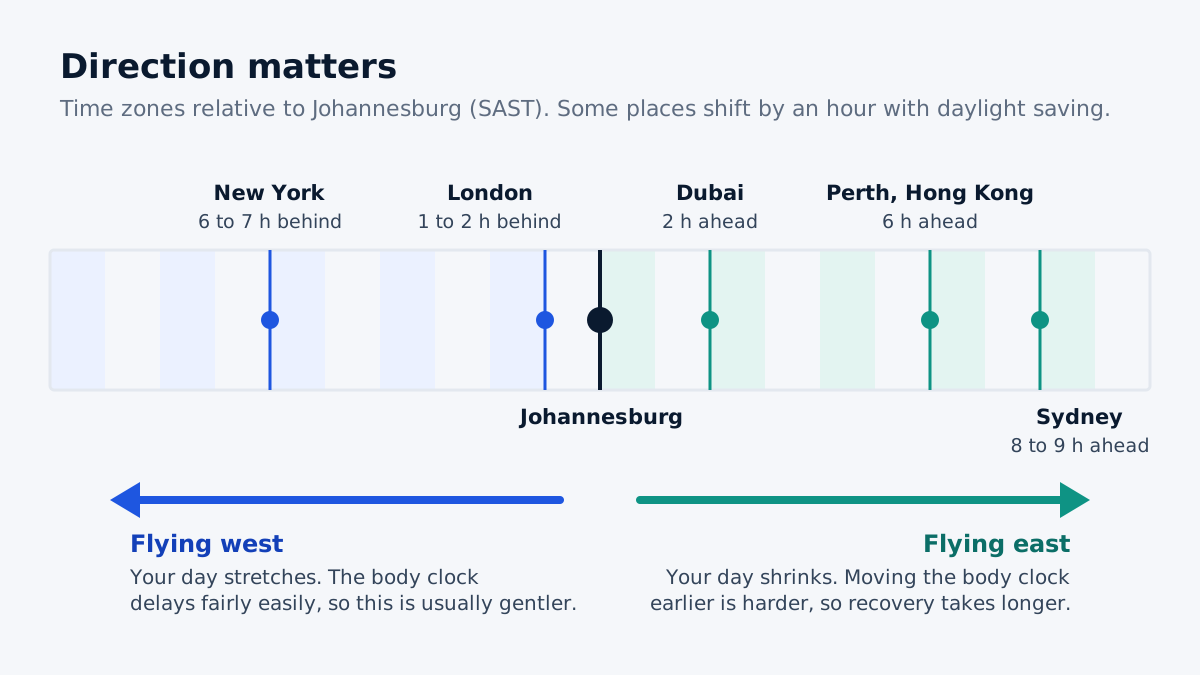
A long flight is tiring on its own, but jet lag only happens when you cross time zones. Johannesburg to London is a long flight, yet London is only one or two hours behind South Africa depending on the season. Most people arrive with travel fatigue: stiff, a little dehydrated and short on sleep. A good night in a proper bed usually fixes that.
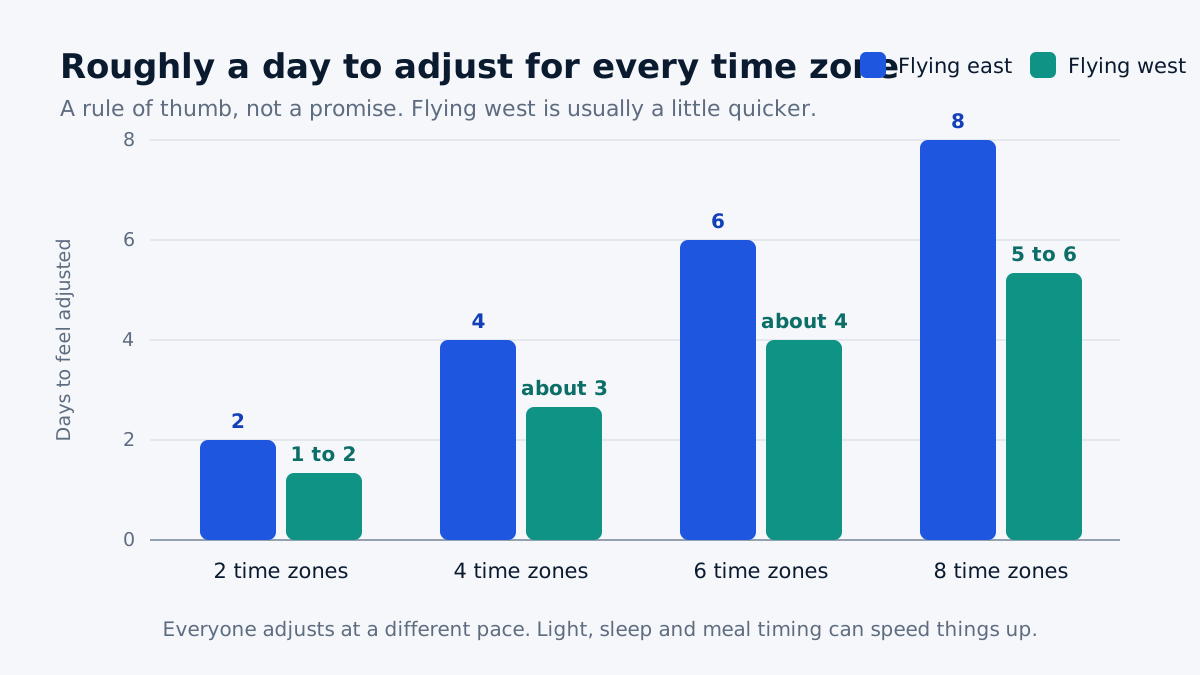
Fly to New York, Sydney, Hong Kong or Perth and you cross six or more time zones. That is when the body clock falls properly out of step and true jet lag sets in.
Why it can feel worse than ordinary tiredness
Jet lag is not only about sleep. The master clock in the brain and the smaller clocks in organs such as the gut and liver adjust at slightly different speeds. For a few days, different parts of your body are effectively on different time zones. That is why jet lag can bring an upset stomach, a foggy head and odd hunger at the wrong times, not just sleepiness.
The good news
- Jet lag is temporary. Your body clock catches up on its own.
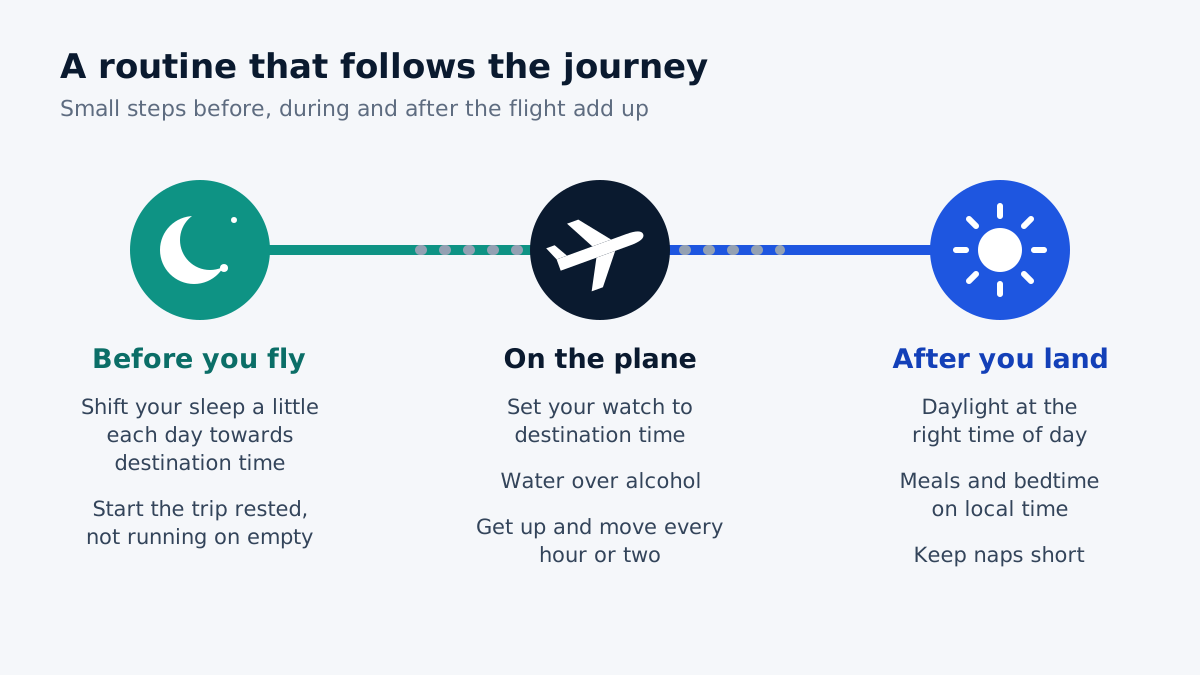
- You can help it shift faster by getting light, sleep and meals at the right times.
- A little planning before you fly makes the first days of your trip much easier.
Our guide How to beat jet lag turns this into a simple before, during and after routine, and Flying east vs flying west explains why direction matters so much.
The honest summary
Jet lag is your body doing exactly what it is built to do: keeping time. You cannot switch it off, but you can give your clock clear signals so it settles into the new time zone sooner.